


Sales Receipt Definition: A sales receipt is a written acknowledgment that a customer has paid for a purchased product or service, confirming that the seller has received payment.Sales receipts might seem like another financial document, but if you don't pay attention, they could bring serious issues for your business. Sales receipts are a necessary part of your daily business transactions They confirm that the transaction has been completed and that no pending amounts remain. If you operate a retail store or an e-commerce business, these receipts become even more important. You got the drill, right? But do you exactly know how they work? What information do they carry? And how to create one? We will help you get answers, including what is a business sales receipt, its importance, benefits, and more.
📌 Key Takeaways:
- The financial document that confirms the completion of a business transaction (no dues left) is known as a sales receipt.
- To create sales receipts digitally, look for a receipt maker tool or software that comes with built-in receipt templates.
- A sales receipt must include key details such as business information, sales receipt number, client details, total amount, and payment methods.
- Apart from digital receipts, handwritten receipts, retail receipts, and packing slips are some other types of sales receipts used in different industries.
- Improved financial tracking and organized accounting workflows are among the primary benefits of using sales receipts.
What is a Sales Receipt? (Sales Receipt Meaning)
A sales receipt is a formal document issued by the seller to confirm that a transaction has been completed and full payment has been received. This means no dues or unpaid amounts remain. It acts as proof of payment and is generated right after the customer completes payment for goods or services.
Of course, we will discuss what to include in it and what are its benefits, but first, let us understand how to create a receipt.
How to Create a Sales Receipt?

If you are wondering how to write a sales receipt or make a receipt online, the steps below will help you create a new sales receipt digitally.
1. Use Receipt Template
Look for a reputable receipt maker software, where you can find customizable receipt templates. The best part is you can download it in a different format, like a pre-made Google Docs receipt template. Unlike paper receipts, receipts made from templates can be shared digitally, meaning no need for physical meetings.
Drowning in Paper Trail Every Tax Season?
2. Add Business Information
Once you get the receipt template, next start filling in business information such as business name, email, address, contact number, and a logo on top of it. Without business details, receipts are incomplete, so make sure you add them.
3. Put Client Information
Thereafter, you need to fill in the client information, such as the client’s name, address, and phone number. When filling in the client details, you can add a unique sales receipt number for future reference.
4. List Items Purchased
List every item the client has purchased, including a brief description, quantity, and per-unit price. Make sure you include every item, even if they are low in quantity or price. It shows transparency and reduces conflicts.
5. Total All Amount
Once all items are listed on the receipt, the total amount will automatically be calculated based on the chosen taxes. Right, you don’t have to waste time doing math. If needed, you can later add a discount, and the price will be adjusted instantly.
6. Include Terms & Conditions
If there are any return policies or other relevant information, you can include it in the terms & conditions section. A significant step to make sure there are no disputes from customers and to handle order returns easily.
Review sales receipt details once you are done and share a receipt via WhatsApp or Email with clients. If required, you can even take a normal or thermal printout.
What Information Needs to be on a Sales Receipt?
A sales receipt must be well-structured and clearly present the essential details of a completed transaction. This information later helps in tax compliance and maintaining accounting accuracy.
Below are the key elements a sales receipt must include:
- Business Information: The receipt must represent the seller’s business name, address, contact details, and business logo.
- Number, Date, and Time of Sale: A unique sales receipt number must be included in order to track transactions and avoid duplication. Be sure to include the date and time of the transaction.
- Client Details: Include the client’s name, contact number, and shipping address, clearly stating who paid the dues for what.
- Itemized List of Products or Services: List every product or service sold by the selling company, including descriptions, quantities, and unit prices.
- Subtotal, Taxes, and Discounts: Every receipt must clearly display the subtotal, applied discounts, and applicable taxes.
- Total Amount Paid: Underscore how much total payment, including taxes, you collected from the customer in a receipt.
- Payment Method: Specify how the payment was made, that is, via cash, bank transfer, digital wallets, or UPI.
- Signature: Request the client to put their signature on the sales receipt to confirm the business transaction and reduce disputes.
- Special Instructions: Type instructions such as what is your return policy and how you process refunds, as well as warranty claims.
- Thank You Note: Including a thank-you note on sales receipts helps build a positive relationship with clients. It acts as an appreciation for doing business with the company.
Why Are Sales Receipts Important?
The role of a sales receipt doesn’t end with simply confirming a completed transaction; it is more than that.
Below are some key points that explain how important sales receipts are:
- Transaction Proof: Sales receipts act as official proof of a sale that has taken place, and payment has been received. In case of disputes or to verify purchases, sales receipts are a key document.
- Accurate Bookkeeping: Recording business income becomes more accurate with sales receipts. Plus, it is easier to keep financial books up to date.
- Tax-deductibles: Sales receipts are evidence of taxable transactions; therefore, they come in handy for deducting taxes and reducing taxable income.
- Customer Trust and Professionalism: Sales receipts reassure customers that the business follows transparent billing practices and values accountability.
- Returns, Refunds, and Warranty Claims: A sales receipt is required to process returns, refunds, or warranty claims. Accurate receipts ensure smoother customer service.
- Business Insights and Decision-making: Sales receipts play a massive role in determining sales trends, popular products, and customer behavior. This insight helps businesses make strategic decisions.
What’s the Difference Between a Sales Receipt and an Invoice?
Sales receipts and invoices are two completely different financial documents. Both are used to maintain business transaction records, but they serve different purposes.
A sales receipt is issued once the transaction is complete and there are no outstanding dues, whereas an invoice is created before payment is initiated. An invoice is a formal request for payment. This is why it is important to understand it in detail. Otherwise, wrong documentation may lead to accounting errors and confusion.
The following is a table that differentiates sales receipts and invoices:
| Basis of Difference | Sales Receipt | Invoice |
|---|---|---|
Types of Receipts Used in Different Industries
There are multiple types of sales receipts, and they vary by industry. Different types of sales receipts can be used for business transactions, depending on record-keeping requirements and customer interactions.
Some businesses prefer creating professional receipts to maintain brand credibility. So, managing sales receipts across retail, services, logistics, and field operations can be challenging if you don’t understand the different receipt types.
Let’s take a look at the most common types of receipts used in various industries:
1. Cash Register Receipts
This type of receipt is primarily used in retail stores, supermarkets, and POS environments as it is printed instantly at checkout. These receipts include product details, pricing, taxes, discounts, and payment confirmation.
2. Handwritten Receipts
Handwritten receipts are very common in small businesses and field services where digital tools may not be available. They also serve as proof of payment but need careful attention to avoid inaccuracies.
3. Retail Receipts
Retail receipts are issued for in-store purchases or online product purchases. These receipts generally include product SKUs (Stock Keeping Units), quantities, pricing, return policy, and purchase validation. It is very useful for exchanges, refunds, and inventory management.
4. Packing Slips
Packing slips are commonly used in e-commerce and logistics. This is not a payment confirmation document (like all other receipts). It accompanies shipped goods and lists items included in the package. With packing slips, verifying order accuracy becomes easier for warehouse teams.
5. Carbon Copies
Carbon copy receipts are used only when duplicate records are required, one for the customer and one for internal filing. These receipts are mainly used for service visits, repairs, and related expenses.
6. Delivery Receipt
Delivery receipts, as the name suggests, are used for delivering goods or services to the customer. A delivery receipt confirms the customer has received goods or services. It includes delivery date, receiver name, address, and condition notes.
7. Rental Receipts
Rental receipts are primarily used in real estate, vehicle rentals, and equipment leasing. Rental receipts contain total rent paid, rent period, payer details, and mode of payment.
These sales receipts help incredibly when it comes to filing sales tax or tax deduction claims.
Benefits of Using Sales Receipts
Sending a sales receipt after a transaction is beneficial for both the buyer and seller. Maintaining records becomes easier, and reconciliation is a breeze when tracking inflows into a bank account. When businesses send receipts consistently, they build trust and improve transparency with clients.
Key benefits of a sales receipt include:
- Improved Financial Tracking: Supports bookkeeping, revenue documentation, and cash flow monitoring across customer transactions.
- Organized Accounting Workflows: Easy to reconcile transactions, match records with statements, and improve financial reviews.
- Better Tax and Audit Compliance: Receipts are documented evidence of sales that support audits and regulatory reporting requirements.
- Sales reporting: Helps the accounting team to create profit and loss (P&L) reports, which aid in revising sales strategy or pricing strategy.
Why Choose Moon Invoice to Create Sales Receipts?
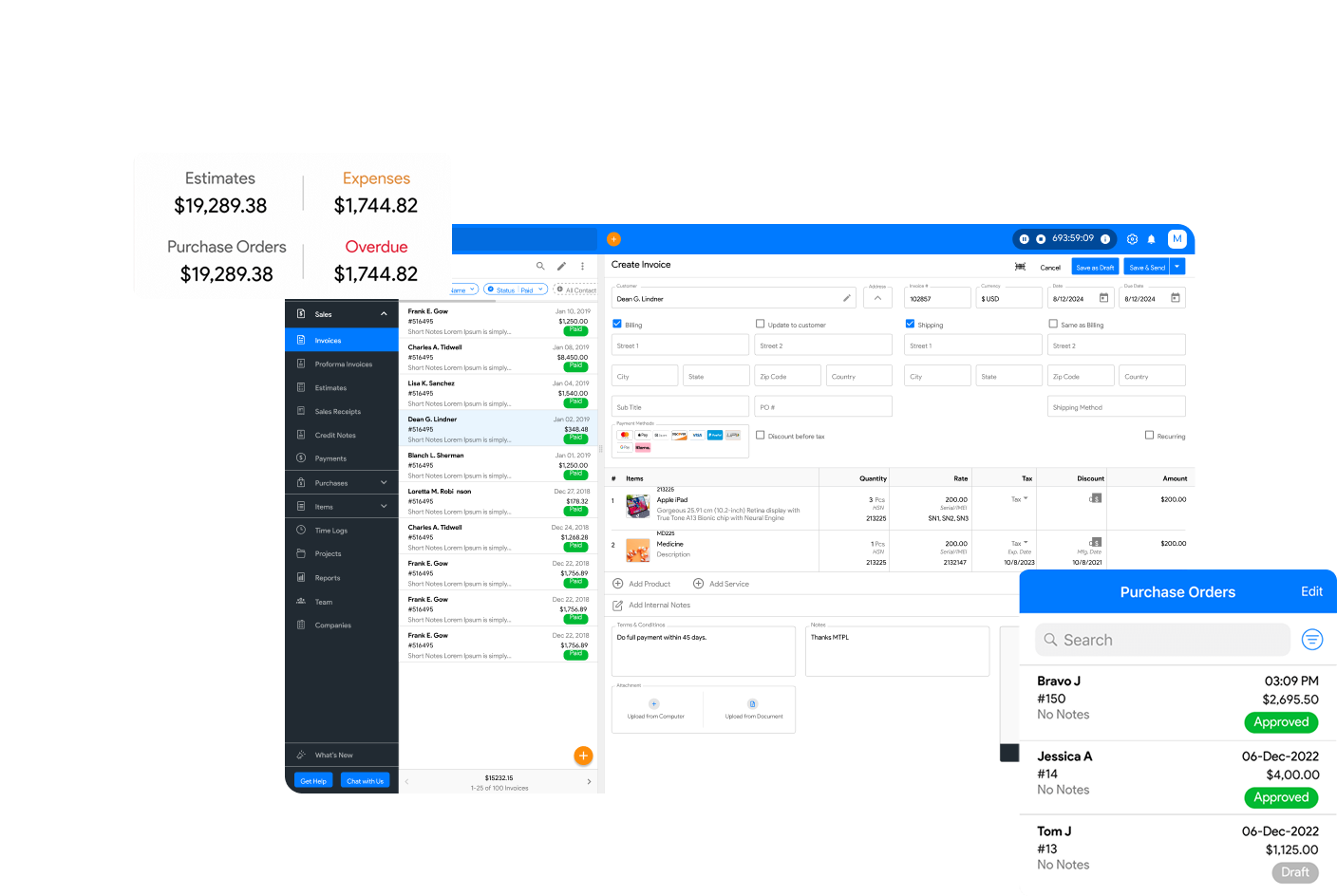
The use of digital receipts is increasing as they offer greater convenience and ease of use. Compared with handwritten or cash receipts, using tools or software such as Moon Invoice makes the entire receipt creation process hassle-free. Something you would have long sought in your business.
Whether it’s recording sales and payments or creating professional receipts with a custom logo, Moon Invoice does it all without any hassle.
Reasons why you should use Moon Invoice to create sales receipts:
- AI-enabled Scanning: Allows you to retrieve data from paper documents and later convert them into expense or sales receipts.
- Customizable Receipt Templates: Quickly create receipts without worrying about specific job types, such as plumbing or roofing receipts, using templates.
- Automated Reports: Generate profit & sales reports automatically to get clear insights into sales figures on the go.
- Multiple Payment Modes: Use a customer-preferred payment gateway and collect the payments without any delays.
Audit-ready Receipts for Every Sale
Keep your records organized and tax-compliant without the stress.

Pre-built Templates
Online Payments
Accurate Reports
In Short!
Sales receipts are undeniable when you are collecting the payments from guests. It confirms the transaction has been completed and no pending dues remain from the client. Now you know, it acts as evidence of purchase and a useful document to avoid disputes that may hamper your reputation.
To maintain a smooth and efficient business operation, you should keep organized records of all sales receipts. How? Simply, get the online receipt maker tool and facilitate the receipt generation process. Want to explore more? Get your free trial now!
Most Relevant Questions on Sales Receipt
Which copy of the receipt goes to the customer?
What is the difference between a sales receipt and a received payment?
Can a sales receipt be used for returns?
What Are the CRA’s Rules for Receipts?


Jayanti Katariya is the founder & CEO of Moon Invoice, with over a decade of experience in developing SaaS products and the fintech industry. He holds a degree in engineering. Since 2011, Jayanti's expertise has helped thousands of businesses, from small startups to large enterprises, streamline invoicing, estimation, and accounting operations. His vision is to deliver top-tier financial solutions globally, ensuring efficient financial management for all business owners.